Xochimilco
Share
By Iván Del Rivero
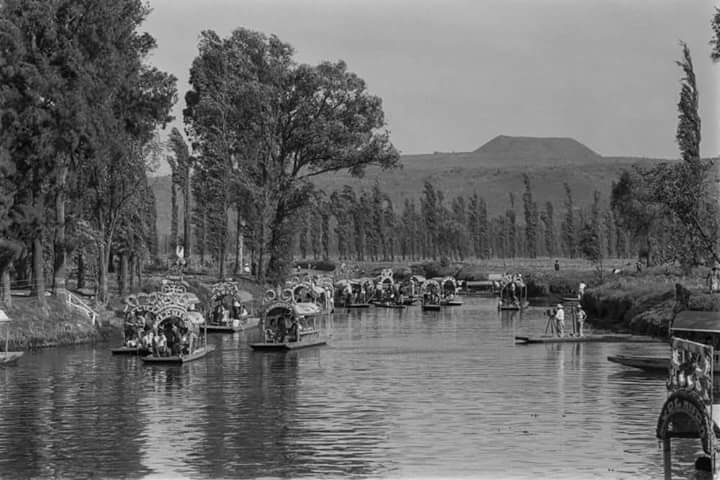
Southeast of Mexico City, shrouded in dense fog, lies Xochimilco, "the field of flowers," according to the Nahuatl song. A land of water and memory, it has been, since time immemorial, a stage where people have built their history like one who cultivates life in the swamp.
Lake Xochimilco, fed by rivers and fourteen crystal-clear springs, was one of the five lakes that once surrounded the Valley of Mexico. In its fresh, fertile waters, ancient hands found sustenance and land to cultivate. There, agriculture was more than a trade; it was a way of life, a connection to the cycles of the heavens, a legacy that still flourishes.
The inhabitants of the original towns and neighborhoods know themselves to be guardians of a legacy that belongs not only to them, but to the very soul of this region. Archaeological remains, colonial temples, Porfirian-era buildings, endless canals, living chinampas, festivals and rituals… everything speaks, everything remembers.
The origins of Xochimilco are said to be shrouded in ancient mists. The exact moment when the Xochimilcas arrived in the southern part of the basin, or when they took root in these watery lands, remains unknown. Some accounts tell of their being among the seven Nahuatl tribes that migrated from Chicomoztoc. The Xochimilcas were the first to leave. Thus began a history woven amidst flowers, canals, and songs.