Churubusco
Share
Under the asphalt of Churubusco, the memory of a river still runs. Its waters once wound between ahuejote willows, fed orchards and listened to the prayers of the convent that still carries its name. Today, turned into an expressway, its channel is concrete and noise. But if you sharpen your ear, between the traffic and the fumes, you can imagine those reflections of the sky, the lost trajineras, the echo of a battle fought in defense of the country. Río Churubusco is no longer a river, but it keeps a bright wound in its name, a buried promise that sometimes wakes in the rain.
Río Churubusco was born from the meeting of the Mixcoac and Magdalena rivers, tracing a natural channel that drained into the old lake of Xochimilco. It was an ecosystem of chinampas and wildlife, a humid lung that softened the dry air of the valley.
The road that encases it today, built during the 1960s, did not only hide it: it locked in its fate as a sewer. Its name, however, is a historical anchor: Churubusco, from the Nahuatl Huitzilopochco, the “place of Huitzilopochtli”.
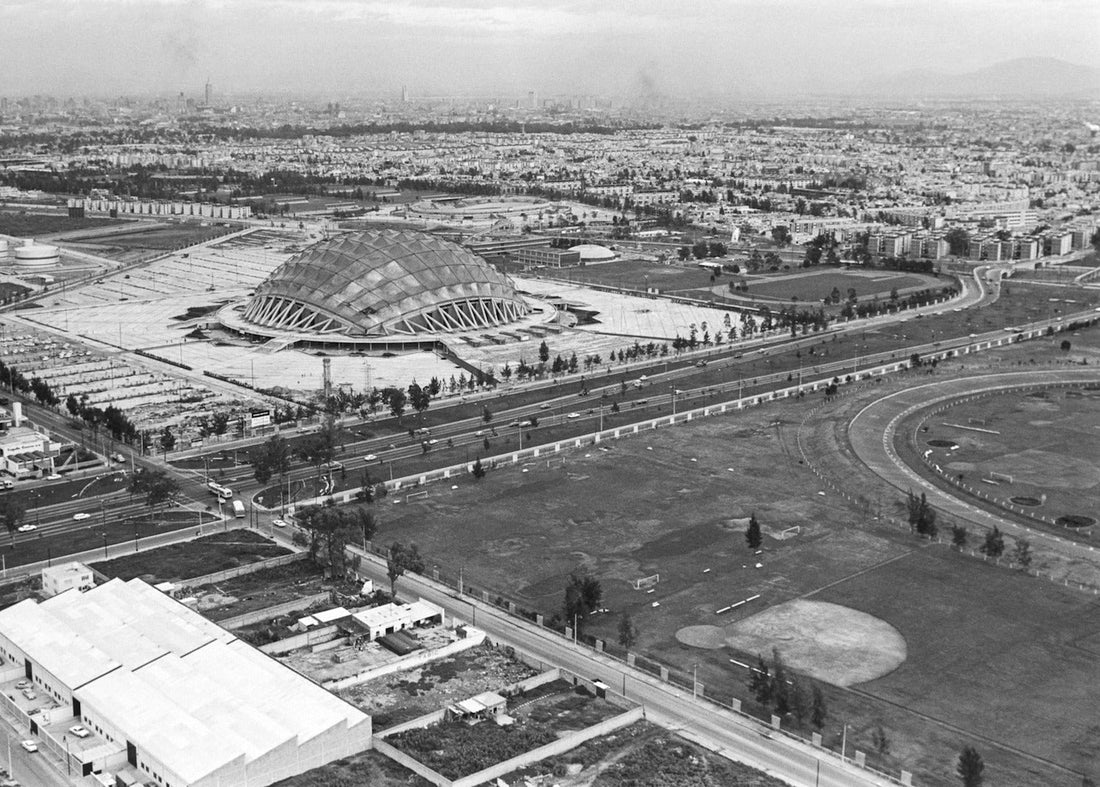
This high-speed avenue is, in fact, an invisible museum. Icons of modernity rose along its banks: the Churubusco Studios, the Olympic Pool. And under that asphalt still vibrates the memory of August 20, 1847, when the Mexican battalions and the heroic Saint Patrick's Battalion defended the convent to the last round.
The fury of that battle, Anaya's honorable surrender, merge with the ceaseless roar of engines. Río Churubusco is the paradox of Mexico City: a current of history and cement, a green promise forced to be grey.